01Use your assistant
Virtual assistant
lunéa supports staff with approved knowledge and tools. Available functions and data depend on each person’s role and permissions. Custom skills extend what the assistant can do.
Your hospital’s knowledge. The skills for your everyday work.
lunéa gives every role a central point of access to your organisation’s knowledge and data. The agentic assistant draws on that knowledge and specialist applications to handle even complex, multi-step tasks—and grows with the demands of your everyday work.
Create content, analyse information and research topics. Your hospital decides which AI models, tools and data access are approved.

Technology & development partner
Together with Katholisches Klinikum Bochum, we develop lunéa around the demands of everyday hospital work.
Explore the partnership







01Use your assistant
lunéa supports staff with approved knowledge and tools. Available functions and data depend on each person’s role and permissions. Custom skills extend what the assistant can do.
02Use your assistant
Speak to lunéa instead of typing—in chat or in meetings. Transcribe in real time and create minutes using your own template as the conversation unfolds.
“From Monday, handover will start at 07:45.”
1 · Handover
2 · Review experience
Handover to start at 07:45 from Monday.
Will be added from the conversation …
03Connect to hospital IT
Connectors link lunéa to your hospital’s systems and data sources. MCP-enabled services connect through the Model Context Protocol. Other systems integrate through their available interfaces.
Connectors link the HIS, databases, local files, SOPs and research to specialist services, third-party tools, web search, enterprise models and guidelines.
04Connect to hospital IT
Clinical systems connect through available standard interfaces, such as HL7 FHIR and DICOM, and appropriate IHE profiles.
Standard interfaces and IHE profiles support connections to HIS, CDR, PDMS, LIS, PACS, RIS and other systems.
05Use your assistant
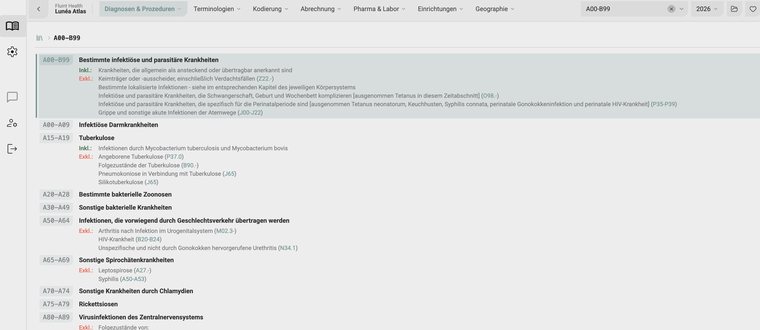
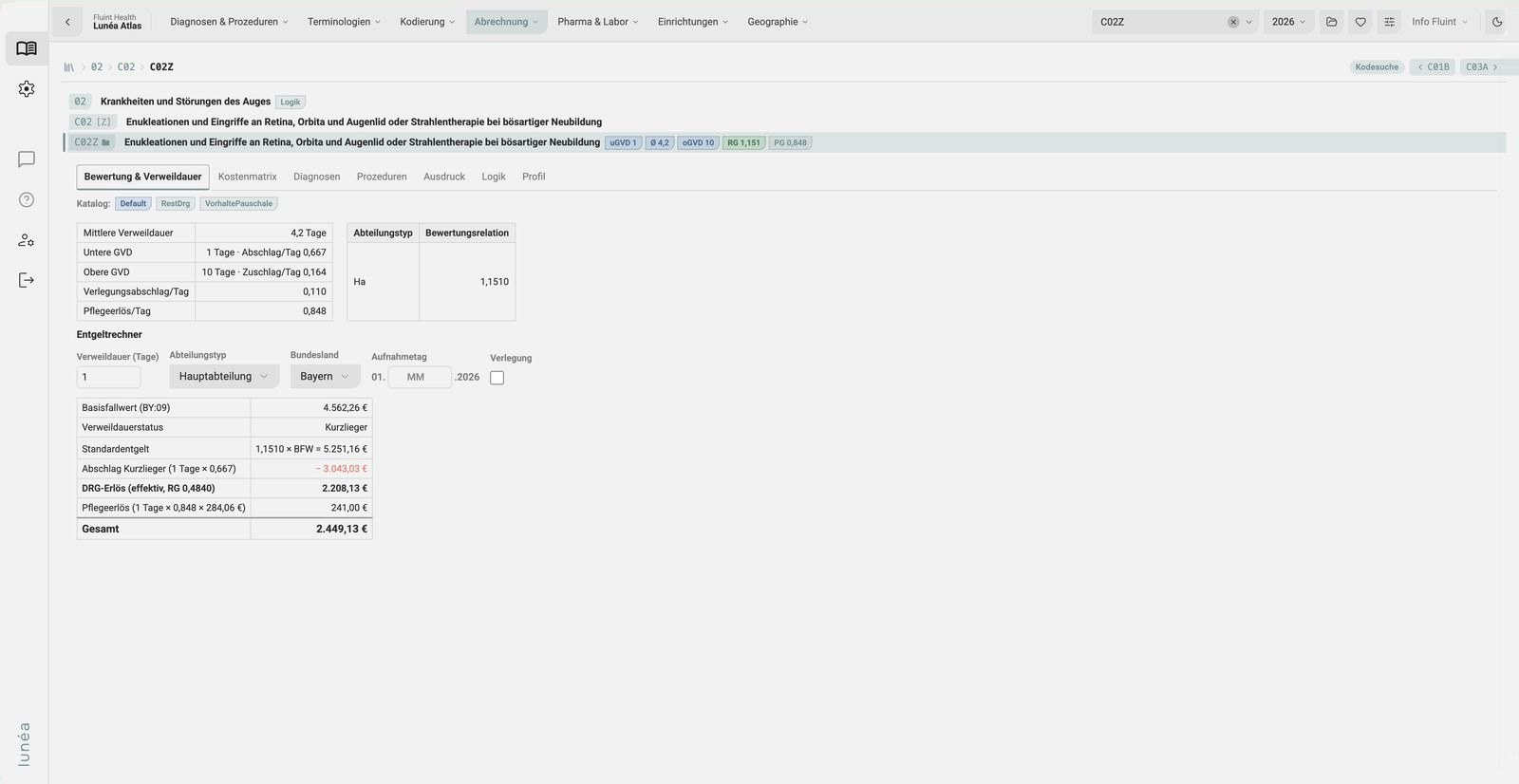
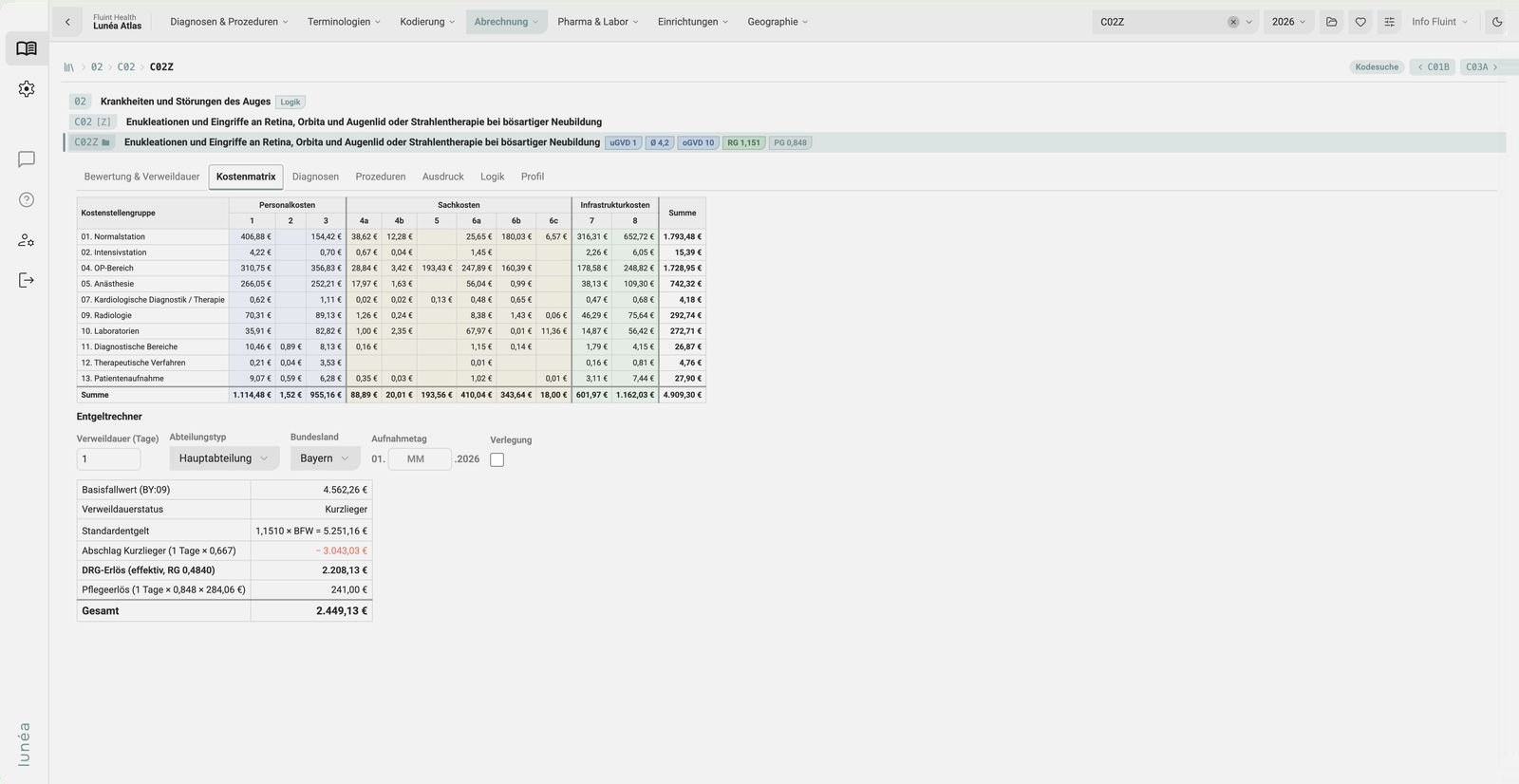
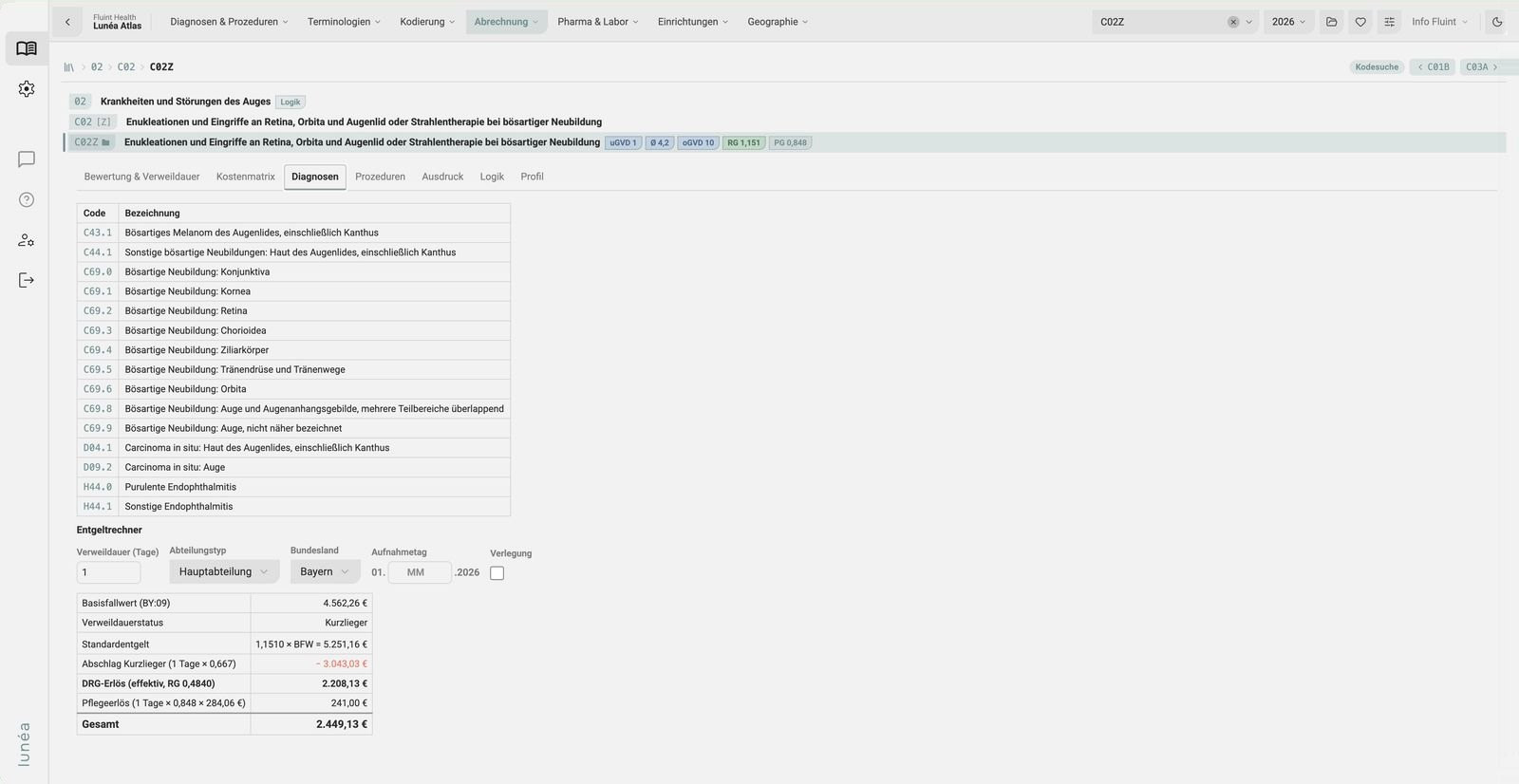
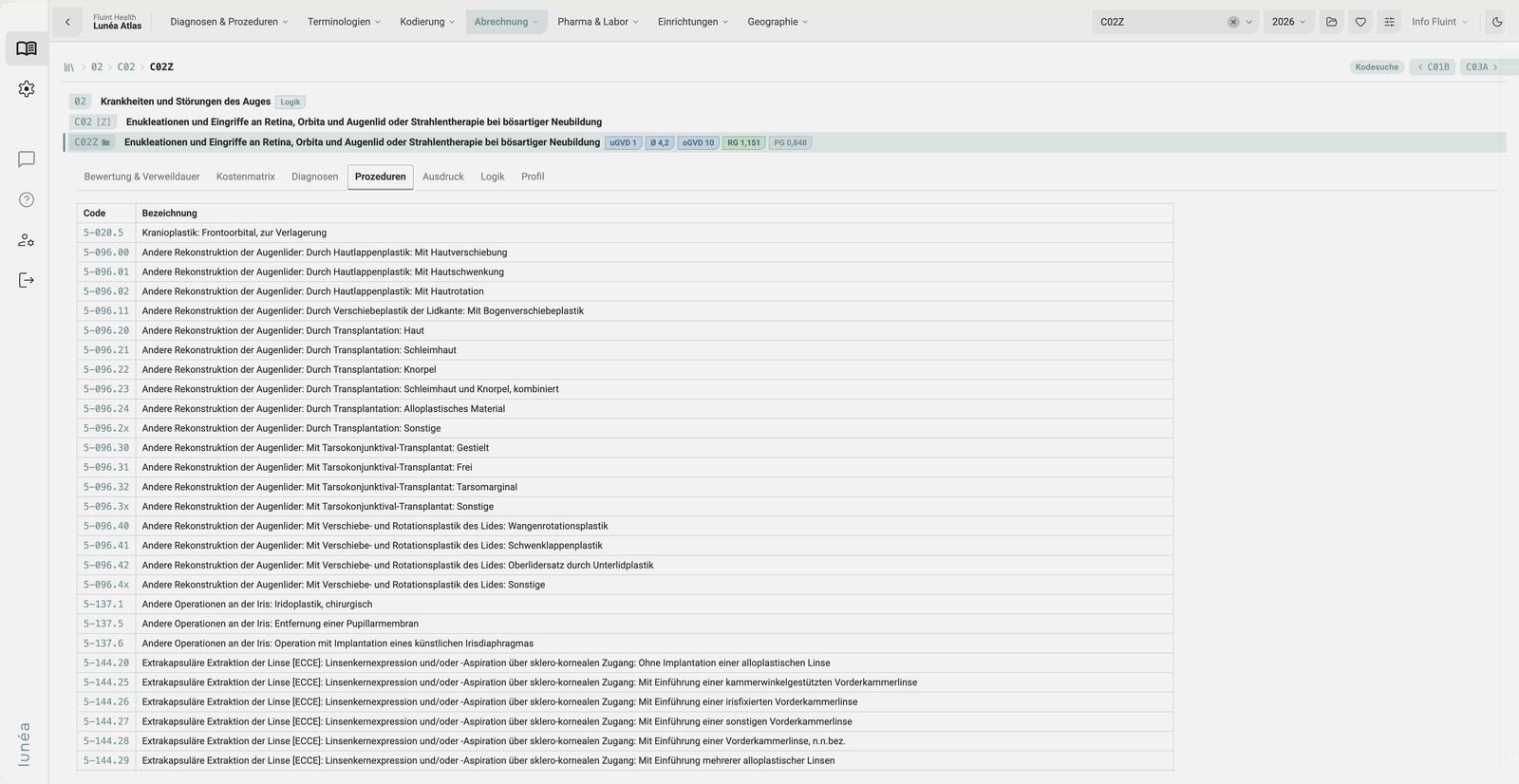
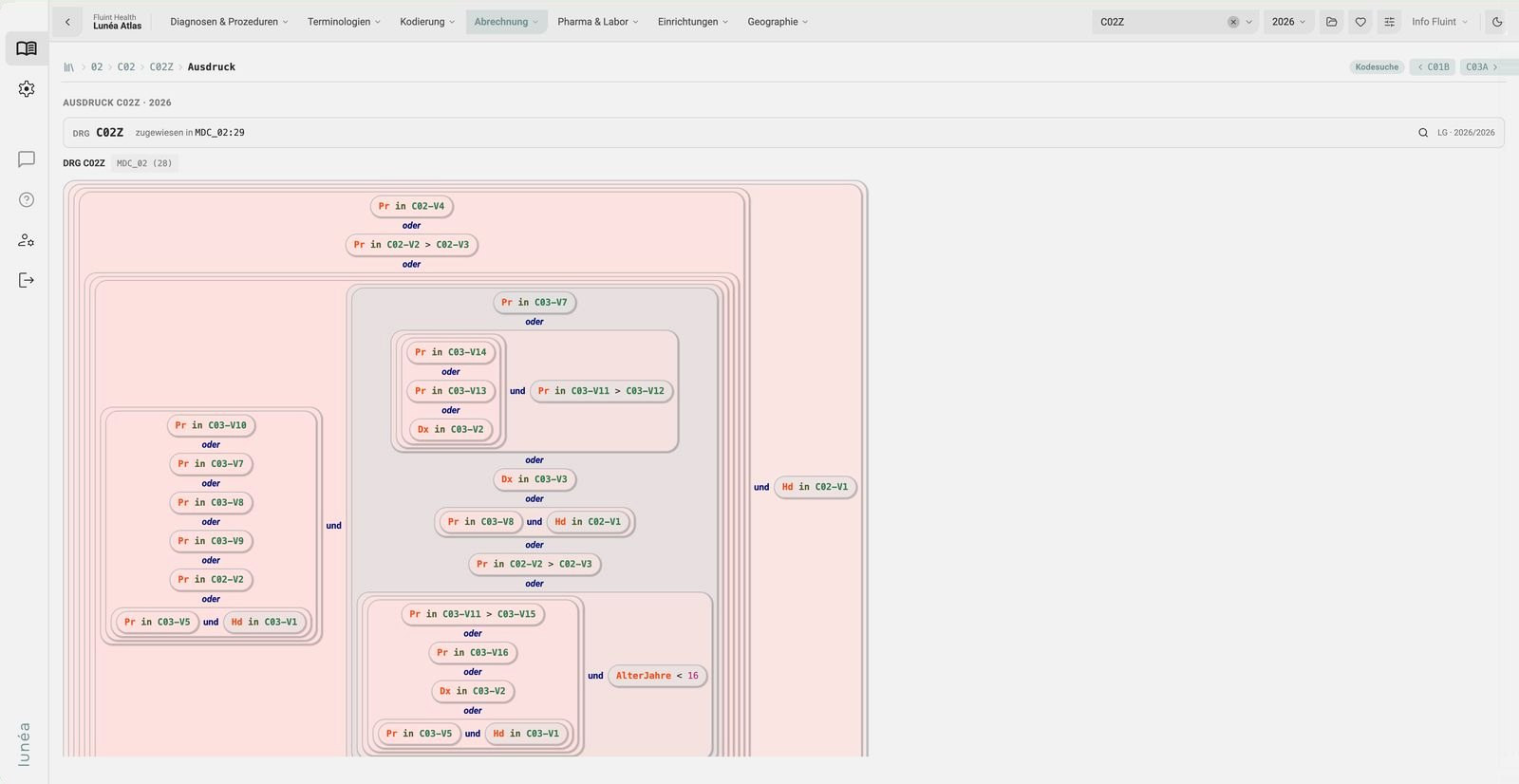
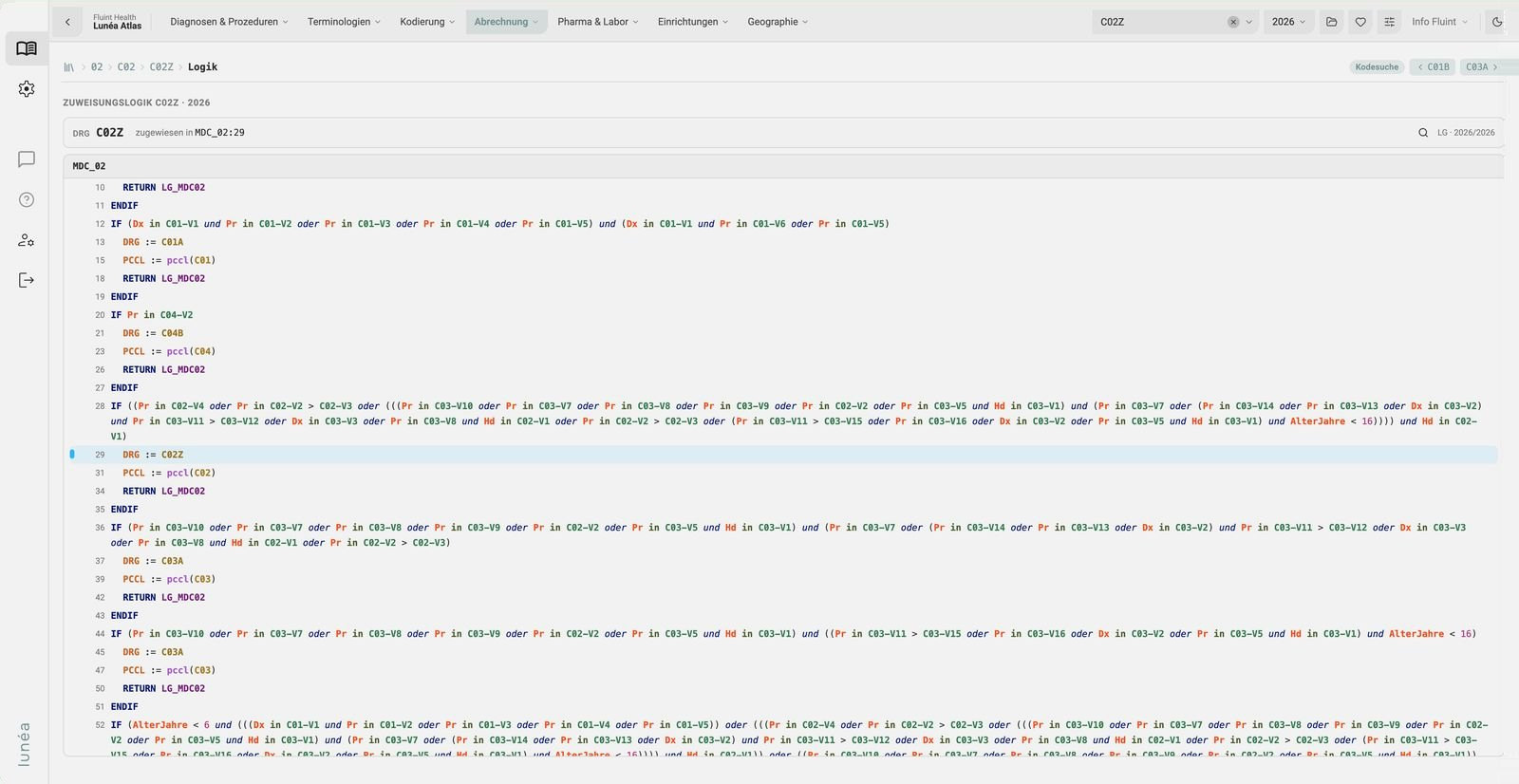
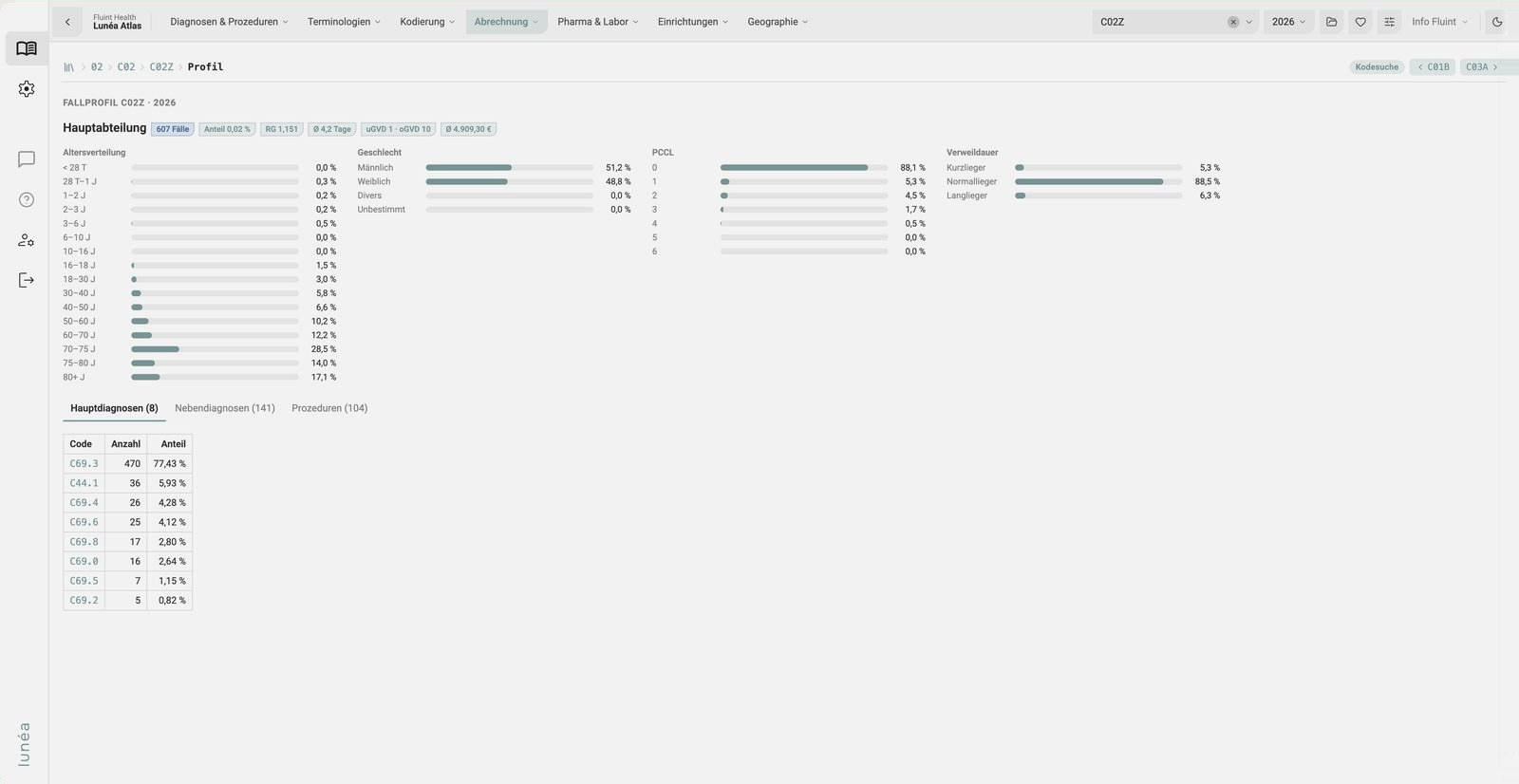
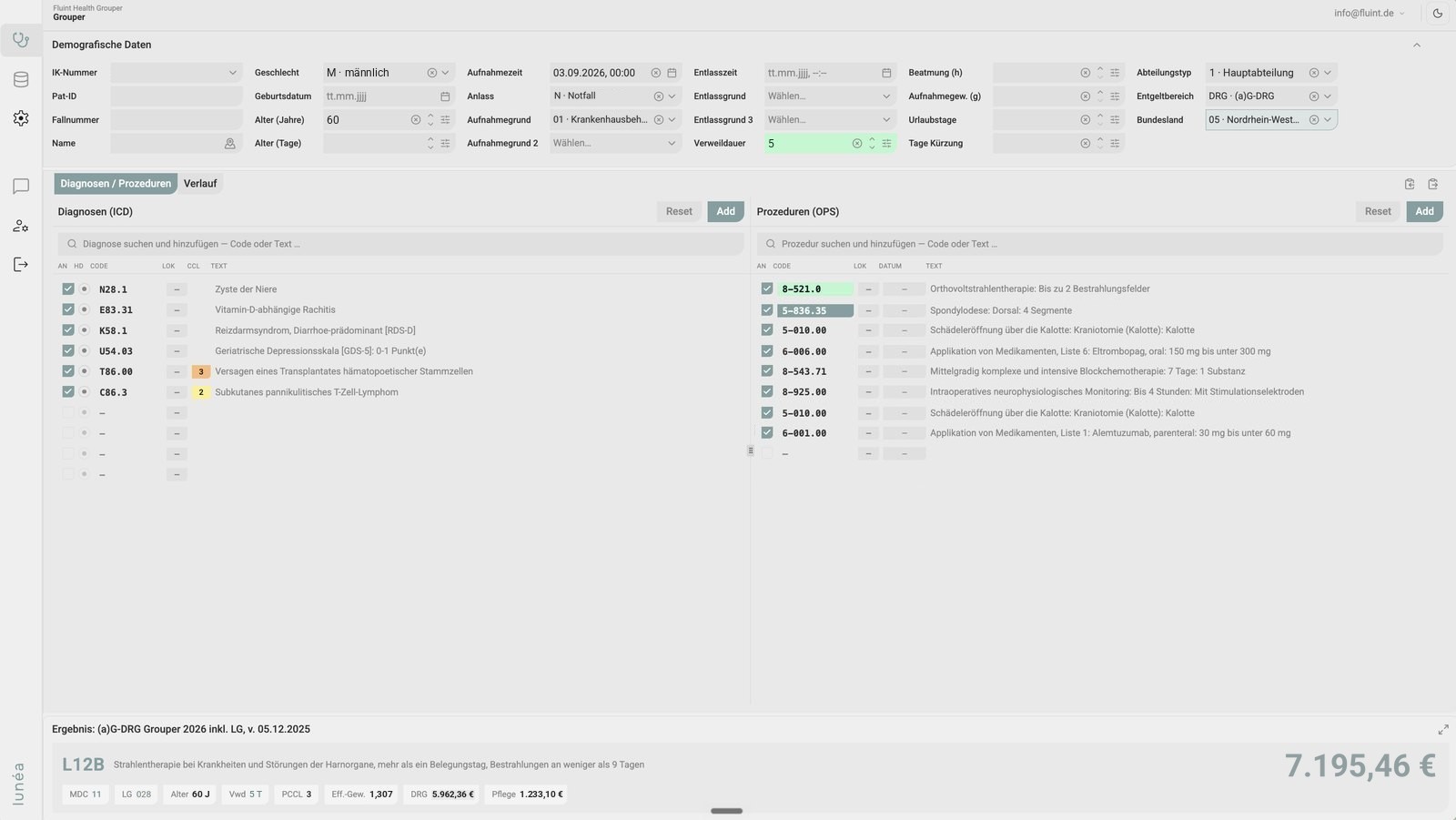
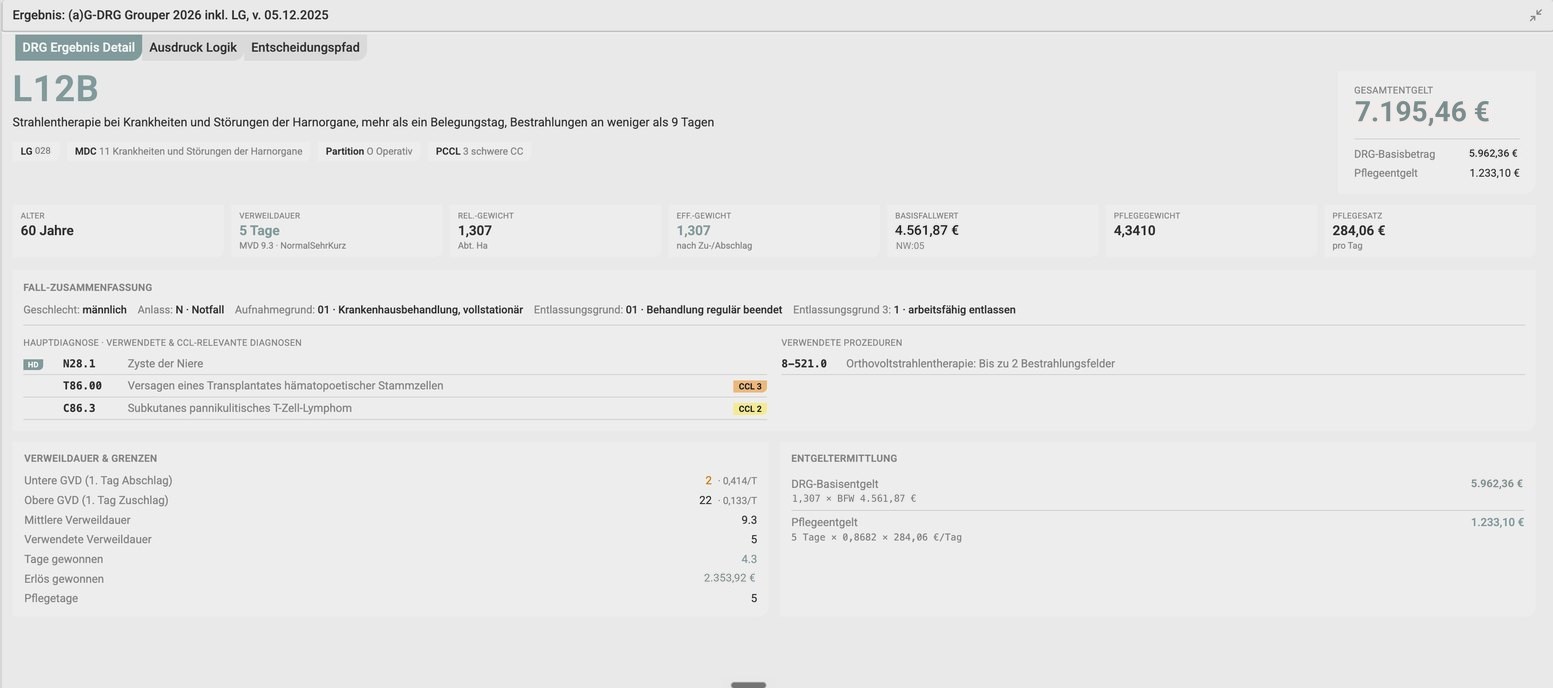
Atlas brings together classifications, coding guidelines and reimbursement catalogues. Grouper assigns treatment cases using the relevant certified version. Both applications are also available as standalone browser workspaces.
06Extend your skills
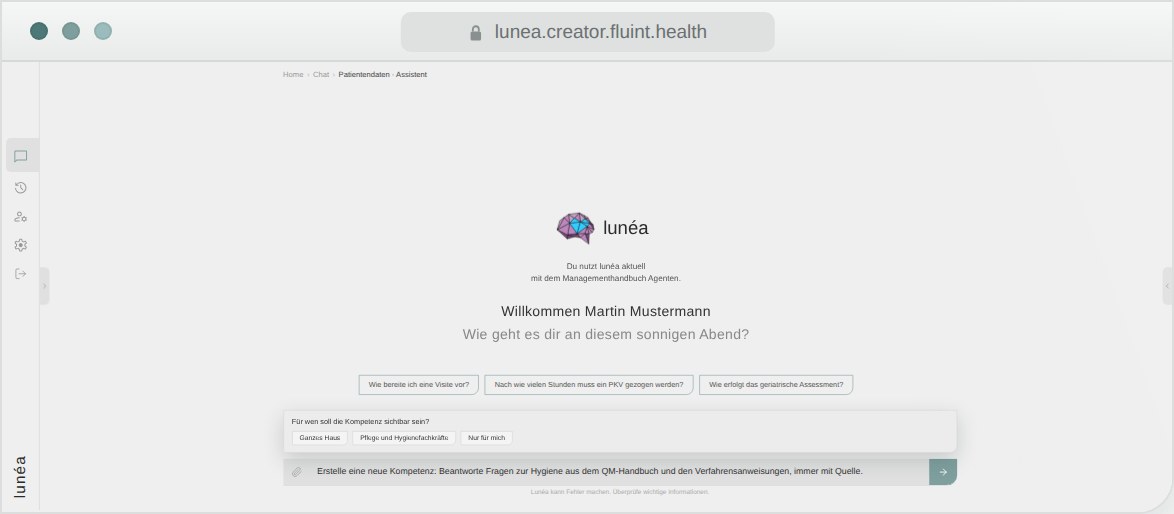
Your knowledge, data and specialist services are connected. Now turn them into solutions of your own. Describe the task, the knowledge sources and the permitted tools to create a skill—without writing code. Build workflows the same way.
07Extend your skills
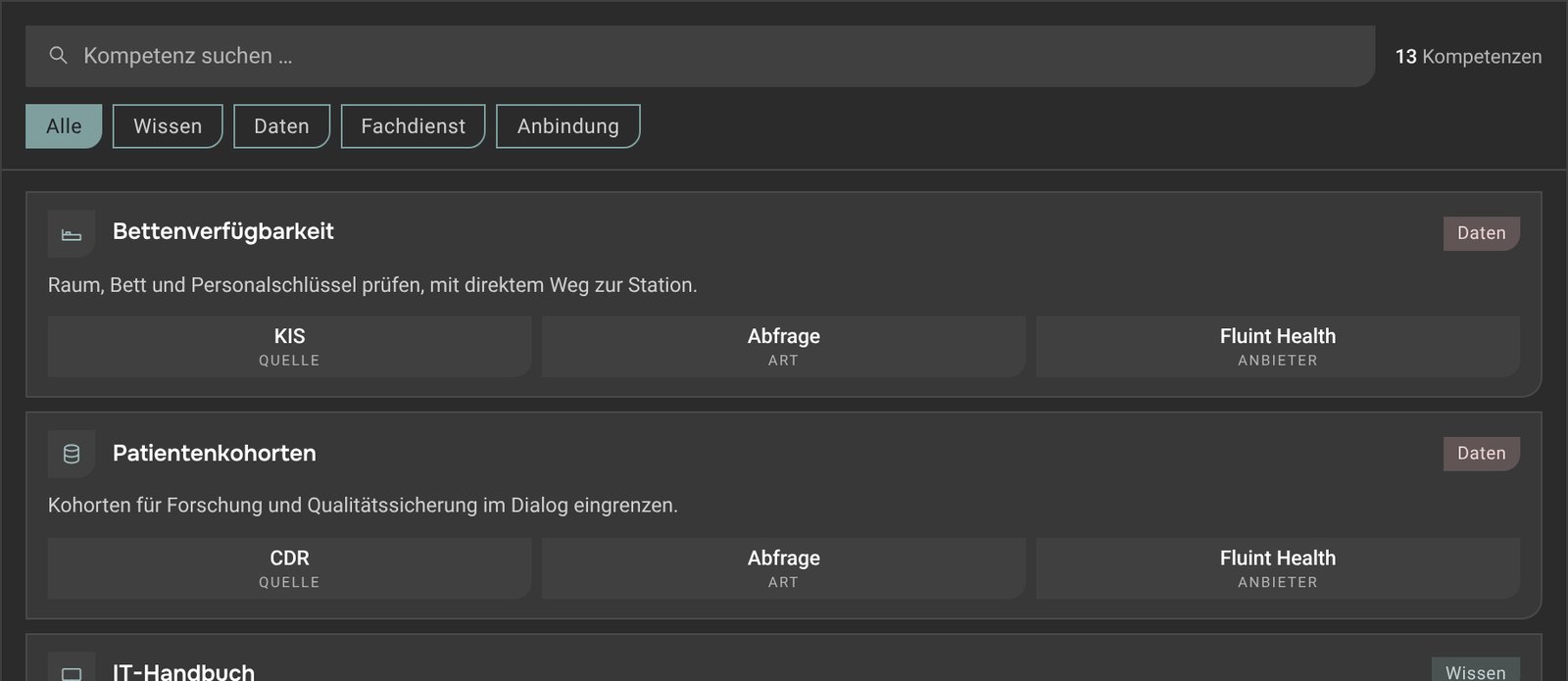
New skills become part of the library: adopt them, adapt them and develop them together. What one department builds can benefit the whole hospital, while knowledge stays within your organisation.
08Extend your skills
Combine skills into workflows with defined steps and approvals. Recurring tasks follow agreed rules. The workflow specifies where staff need to review or confirm an action.
Example workflow: review a case, obtain hospital approval at a human-in-the-loop checkpoint, then connect a staff roster or run Grouper.
09Connect to hospital IT
lunéa fits into your existing systems, permissions and operational processes. An agreed operating model takes GDPR requirements into account.
10Connect to hospital IT
Deploy on your hospital’s terms: run the application and language models in your own data centre or in a German cloud. Stay independent of any single model provider, with read access by default and actions subject to approval. Connect your own enterprise instances using API keys.
 Mistral
 Qwen
 gpt-oss
 Llama
 GemmaMedGemma
 Nemotron
 Granite
 GLM
 GPT · API
Atlas and Grouper are part of the specialist services available to our assistants. They are also available as standalone SaaS services in your browser.
For hospitals, consultancies, pharma, MedTech and freelance clinical coders. Use the specialist tools from ChatGPT, Claude or lunéa via MCP, or integrate them into your own software through an API.
Review. Explain. Substantiate.
The connected reference for inpatient reimbursement.
Group cases with InEK-certified software.
From a single case to a Section 21 dataset.
Start by assessing where you stand and choosing a use case that delivers on three levels: quality, economic value and the human experience.

“Our vision is to bring together leading-edge medicine and state-of-the-art technology. Working with Fluint Health, we aim to use our resources more efficiently and give our staff exactly the information they need, at the right time in their workflows.”
Prof. Dr. med. Christoph HanefeldMedical Director, Katholisches Klinikum Bochum

Get to know lunéa, Atlas and Grouper. Or talk to us about a specific challenge in your hospital.
In a demo, we show how the applications can support your work. In a workshop, we assess where you stand and identify a worthwhile first use case together.
Tell us what you are working on.